Douala Port signs XAF40bn rail concession to upgrade logistics
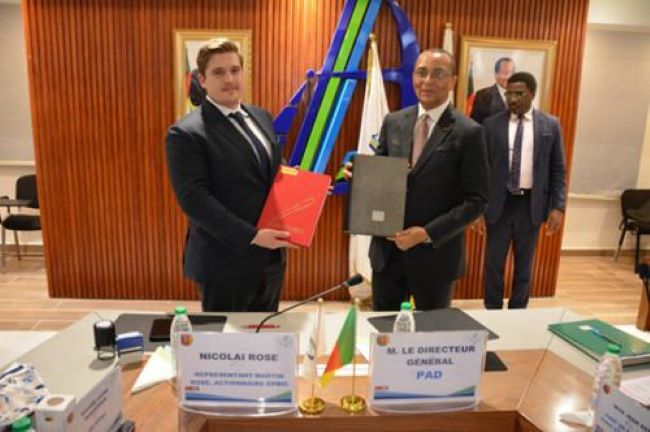
The Port Authority of Douala (PAD) and the Douala Port Railway Investment Company (DPRIC) signed on 19 March 2026 a 25-year concession to modernise and extend the railway network within the Douala-Bonabéri port area, under a Design-Build-Finance-Maintain (DBFM) model.
The project represents a total investment of 40 billion CFA Francs (XAF), fully financed by the private partner. It covers the development and operation of a modernised rail network equipped with integrated technologies to support port logistics.
Under the financial terms of the agreement, PAD will receive a fixed annual fee combined with a progressive share of turnover, set at 5% for the first 10 years, 7% from the 11th to the 20th year, and 8% from the 21st to the 25th year. Total projected revenue for PAD is estimated at 8,563,928,075 XAF excluding taxes.
The modernisation of the railway network is expected to improve port logistics by reducing congestion linked to heavy truck traffic, while contributing to lower road accidents and reduced air and noise pollution.
The project is part of PAD’s 2020-2050 master development plan and aligns with ongoing infrastructure and superstructure upgrades at the Port of Douala-Bonabéri aimed at improving operational performance and efficiency.
According to PAD, the initiative is intended to strengthen the port’s competitiveness and attractiveness, consolidating its position as a logistics hub in the Gulf of Guinea and supporting increased cargo flows over the long term.
Source: Business in Cameroon