
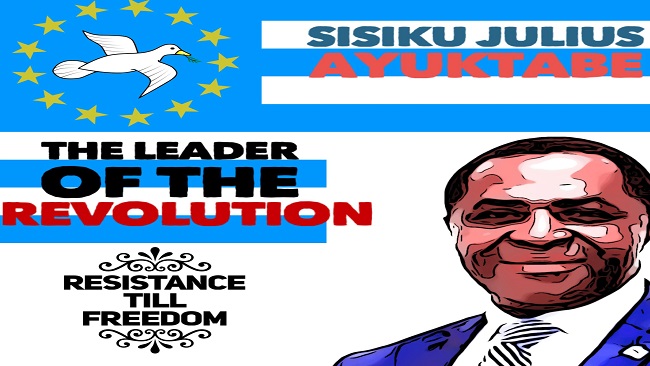
President Sisiku Ayuk Tabe, top aides to appear before the Supreme Court
Cameroon is facing renewed political uncertainty weeks after its presidential election, amid reports of mass arrests, deaths linked to protests and mounting concerns over the use of military courts.
Rights groups and local observers say more than a thousand people have been detained following post-election demonstrations across the country. Several fatalities have been reported, while dozens of those arrested have been brought before military tribunals, a move that has drawn criticism from civil society and legal experts.
The unrest comes as attention turns once again to the long-running Anglophone crisis. Ambazonian separatist leader Sisiku Julius Ayuk Tabe and nine other activists, who have been serving life sentences since 2019, are expected to appear before the Supreme Court on 18 December. Their case has reignited debate over due process, human rights and the handling of political dissent in Cameroon.
The men were convicted on charges including terrorism and secession after being arrested abroad and extradited to Cameroon, a process that has itself been widely contested. Their supporters argue that the sentences reflect a broader pattern of repression rather than a genuine effort to resolve the conflict in the country’s English-speaking regions.
Yaoundé-based political analyst Paul Anchang said the timing of the Supreme Court hearing, set against the backdrop of post-election unrest, highlights the depth of Cameroon’s political challenges.
“This is not simply a question of election-related violence,” Anchang said. “It points to a deeper crisis of governance, where political disagreements are increasingly addressed through arrests and military justice instead of dialogue.”
He warned that continued reliance on security measures risks further destabilising the country.
“Without a serious commitment to political engagement, both on electoral issues and the Anglophone question, tensions are likely to persist,” he added. “Cameroon needs inclusive solutions if it is to move away from this cycle of crisis.”
Source: ChannelAfrica


