U.N. closes 2 bases in Central African Republic as security conditions improve
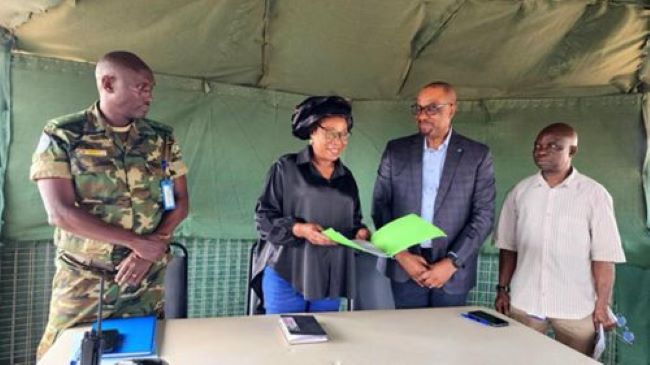
The United Nations Multidimensional Integrated Stabilization Mission in the Central African Republic (MINUSCA) announced this week the closure of two temporary operating bases in central regions of the country, in Mbrès (Nana-Grébizi prefecture) and Dékoa (Kémo prefecture).
According to the U.N. mission, the decision is part of a reorganization of its security posture, following a relative improvement in security conditions in those areas and the gradual transfer of responsibilities to Central African authorities. The two sites were closed days apart in March.
MINUSCA stressed, however, that the move does not constitute a withdrawal, but rather a realignment of its presence with security priorities. “This development in no way signifies a disengagement by the Mission. On the contrary, MINUSCA remains committed to supporting the government and the population in stabilization and development efforts. The Mission will continue to support security through long-range patrols, particularly along the Dékoa-Mala and Dékoa-Bouca routes,” said Claude Yao Bouaka, the representative of the head of office.
The move comes as the country remains fragile after years of conflict. Despite the signing in 2019 of the Political Agreement for Peace and Reconciliation, insecurity persists in certain regions, particularly in the east and southeast, where armed groups remain active and continue to threaten civilians. MINUSCA continues to support Central African authorities, including through the redeployment of forces to insecure areas. Deployed since 2014 under a U.N. Security Council mandate, the mission is tasked with supporting the peace process.
Infrastructure left at the sites is expected to be handed over to Central African security forces as part of efforts to extend state authority.
Source: ecofin agency