Revealed: How Biya and his CPDM gang benefit from blood diamonds in the Central African Republic
A report entitled “From conflict to illegality: Cartography of the diamond trade of the Central African Republic in Cameroon”, made public on Friday in Canada, accused the Biya regime of creating a hub in Cameroon for the Central African diamonds gotten through smuggling.
According to the report, Cameroon consistently allows diamonds from the Central African Republic to cross its borders and penetrate the legal supply chain. The report pointed out that the porosity of Cameroon’s border coupled with deliberate inefficient police controls, contraband smuggling and corruption, explained the presence in Cameroon of diamonds from other neighboring countries including the Central African Republic, CAR.
The survey carried out by Partnership Africa Canada, showed how conflict diamonds in the CAR branded as “blood diamonds” still have entry points to the international markets via Cameroon. “While the international outcry over the blood diamonds financing the war in the Central African Republic triggered an action to stop the trade, the same spotlight was not turned on the neighbors of the CAR,” said Joanne Lebert, Executive Director of Partnership Africa Canada.
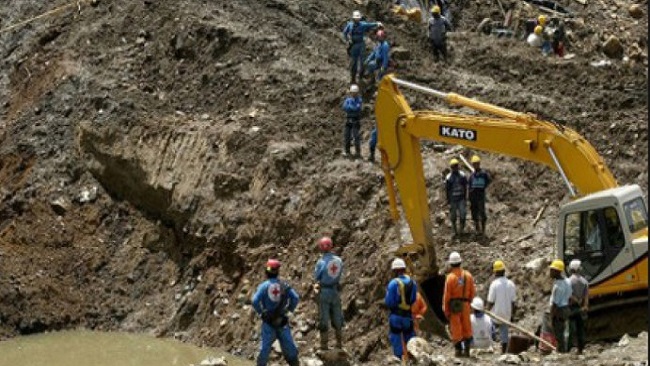
Field interviews with miners, traders and exporters detailed the smuggling of diamond from the Central African Republic on the 900-km border with Cameroon, corruption between officials responsible for verifying the origin of diamonds and large deliveries of undeclared blocked conflict diamonds, the report said.
Cameroon Intelligence Report gathered that exports of diamonds from the Central African Republic were the subject of an international embargo after a coup in 2013. However, when President Biya had his man, the late General Tumenta in Bangui, Diamonds sold on the international markets from the CAR were stamped “as originating from Cameroon and Kimberley Process Certificates were issued certifying their status as a country without conflict, allowing them to be exported to the international markets.
By Chi Prudence Asong

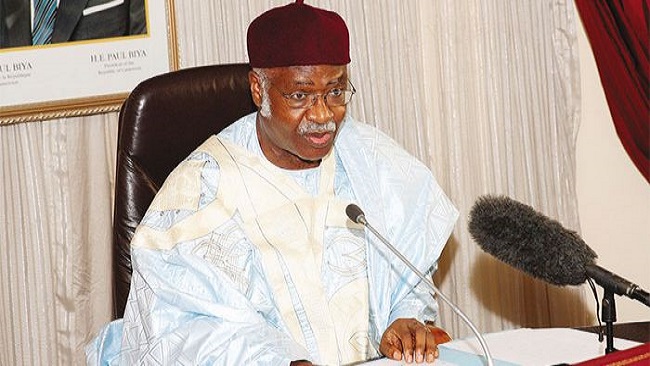

 Anglophone teachers have kicked against the Biya Francophone Beti Ewondo government’s recent move to end the lingering strike by the teachers, saying that no amount of coercion will make them return to work unless the contentious issue of the bi-cultural nature of the country’s education system is satisfactorily resolved.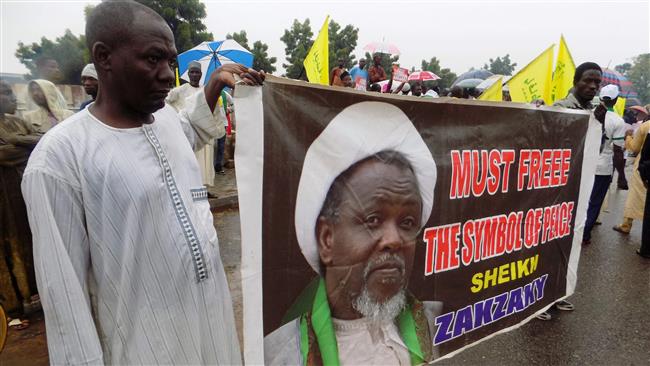

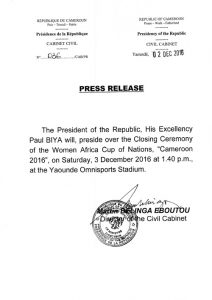


 Talks between the Anglophone Teachers Trade Unions and the Biya Francophone Beti Ewondo government have broken off. A statement from the Prime Minister says President Biya has decided on two measures aimed at improving the working conditions in public and private schools. The Biya decision read on state radio and television made a mockery of Prime Minister Philemon Yang who met the Anglophone teachers as a conciliator but could not reach an agreement.