
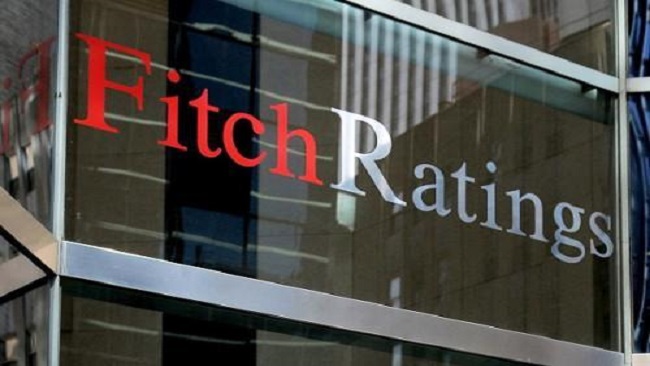
Cameroon ‘B’ rating affirmed by Fitch; new Vice-Presidential role seen as stabilizing
Fitch Ratings has affirmed Cameroon’s long-term foreign-currency sovereign rating at “B,” maintaining a negative outlook in its latest assessment published on Friday, April 24.
The rating reflects moderate growth, contained debt and access to financial markets, but is constrained by weaknesses in public financial management and political uncertainty.
Fitch said risks surrounding political succession have diminished, though they have not disappeared. A constitutional reform passed in April 2026 created a vice-presidential role to ensure continuity of the executive, which the agency sees as a stabilizing factor.
“The vice-president is now directly appointed by the president and replaces the incumbent in case of vacancy of the presidency (due to resignation, impeachment or death) until the completion of the incumbent’s term,” the agency said. Previously, a presidential vacancy would have triggered a new election due to the absence of a designated successor to President Paul Biya, 93, Fitch added.
On the economic front, Fitch highlighted the resilience of the Cameroonian economy and expects growth of around 3.7% over 2026–2027, supported by oil, mining and electrification. It warned of risks from a global energy shock that could affect fuel and fertilizer imports.
On the fiscal side, the deficit is expected to narrow from 2.2% of GDP in 2025 to 1.6% in 2026, before edging up to 1.8% in 2027. The improvement is driven by higher non-oil revenues and spending restraint, although revenue mobilization remains constrained by the size of the informal sector and administrative weaknesses.
Public financial management remains a key vulnerability, with payment arrears estimated at 560 billion CFA francs ($1 billion) in 2025, while operations by the national oil company reduce budget transparency. Access to financing also remains limited.
On debt, levels remain contained. “Public debt is estimated at 41.2% of GDP in 2025 and is projected to decline to around 40% by 2027,” Fitch said, below the “B” category median of 51%. That improvement, however, masks persistent pressures, including debt servicing costs and reliance on external financing.
Cameroon appears committed to continuing economic reforms. As part of its program with the International Monetary Fund, the country plans gradual fiscal consolidation and stronger domestic revenue mobilization — which Fitch said will be key to strengthening macroeconomic stability over time.
Source: ecofinagency


