
CPDM Crime Syndicate and the cost of an aging political class
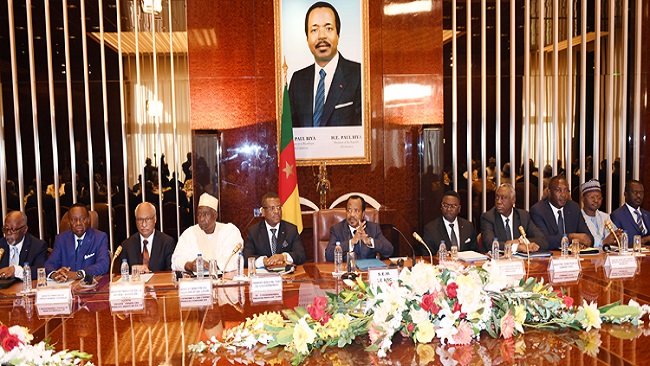
The failed Biya regime in Yaoundé has entered 2026 with a political structure that does not reflect continuity but a growing fragility. Many senior cabinet ministers and top government officials including Prime Minister Dion Ngute, Laurent Esso and Maigari Bello Bouba have held office for decades, well past the age when most public servants elsewhere have retired. Biya and his ruling CPDM gang have always claimed that experience is an asset. However, prolonged reliance on aging leadership carries unavoidable risks for governance, stability, and national planning.
Nature is very impartial. Old age naturally brings health challenges, reduces performance, and increase the possibility of absences from public life-a situation that the Cameroonian nation has long been witnessing with President Biya. When state affairs are heavily concentrated in the hands of a living corpse, any unexpected loss can create disruption, uncertainty, and power struggles.
Yet the ruling CPDM party has been slow to institutionalize succession. In Cameroon, government departments revolve around individuals rather than a proper administrative system, and younger professionals are rarely groomed to step into senior roles. This leaves the cursed triangle very vulnerable, not because of the 92 year-old Mr. Biya alone, but because of a structure that resists renewal.
The issue is not about disrespecting elderly states men like Justice Minister Laurent Esso who recently could not afford money for his medical bills abroad. It is about realism. Countries that plan for continuity do not wait for crises to force change. They create pathways for mentorship, orderly transition, and generational balance long before vacancies arise.
Our nation’s population is young, educated and very dynamic. But the corrupt leadership remains disproportionately old. This disconnect is greatly fueling frustration among young citizens who see limited opportunities for participation and innovation. A government that does not renew itself risks losing legitimacy in the eyes of the very people it governs. The Biya regime is already on this path.
As 2026 unfolds, the question is not whether time will assert itself—it always does. The real question is whether Cameroon will continue to react to change, or finally prepare for it. Responsible governance demands foresight, not denial. Leadership renewal is not a threat to stability; it is the foundation of it.
By Chi Prudence Asong


