2,000 Chadian students return home after COVID-19 spreads to Cameroon
Nearly 2000 students from Chad have returned home from neighbouring Cameroon after COVID-19 spread there.
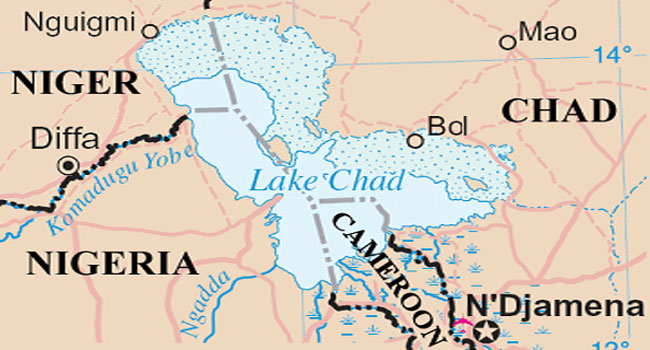
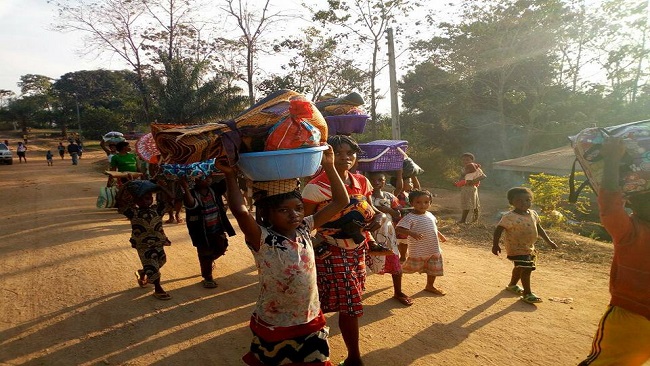
Many reached the border on foot, crossing into the Chadian provinces of Logone Occidental and Mayo-Kebbi Ouest.
Joint initiative
They were supported in their journey home after a joint initiative from the European Union (EU) and the International Organization for Migration (IOM) was launched to help them return.
The EU-IOM Joint Initiative for Migrant Protection and Reintegration is the first comprehensive mechanism to protect migrants in West and Central Africa.
The fund made a special allocation of 50,000 Euros through the EU Emergency Trust Fund for Africa that allows these students to return home.
Quarantined
Upon their arrival, the students were quarantined for 14 days along the border.
None tested positive for the COVID-19 virus. Nonetheless, most now find themselves without resources to continue their journeys to the capital N’Djamena, 450 kilometres from the quarantine centres.
IOM, at the request of the government of Chad, supported the students with transportation, chartering special buses headed back to their communities of origin.
With 46 cases of COVID-19 — yet no fatality- confirmed as of 27 April — Chad, too, has closed its land and air borders, schools, universities, religious buildings and non-essential businesses.
Enforcing curfews
Public transport is strictly limited and several provinces are enforcing curfews.
IOM said it is working closely with Chad’s government and other partners to ensure that the most vulnerable population groups are protected and assisted.
Anne Kathrin Schaefer, IOM Chief of Mission in Chad said: “Since the borders closed, we have been informed of regular arrivals of Chadian nationals in the country.”
She continued: “This worries us as most here have no opportunities to safely return to their families after having used their meagre resources to purchase food, water and other essentials during their quarantine period.”
Source: Voice-online
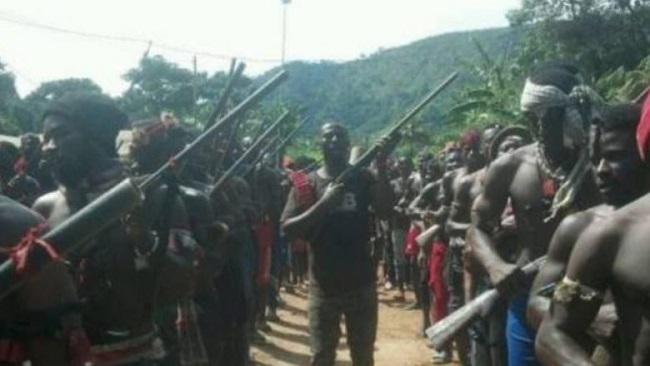

!['I want to ask them: 'You guys, you are fighting for separation, but instead you demand money from your brothers? How will we all live together in a new country when you do this?'.' said Kelly. [Ingebjorg Karstad/NRC]](https://www.aljazeera.com/mritems/Images/2020/4/29/0beafeff0142499ca138ad4cc5e6c6e2_8.jpg)
![Heavily pregnant Alliance went into labour and gave birth to twins during the violence. 'I asked God: How could you give me twins in these times of conflict?' I did not know I could live like this, even for a week,' the 36-year-old said. She was not able to breastfeed at night with the lights on as that would be dangerous as warring parties were fighting outside. [Ingebjorg Karstad/NRC]](https://www.aljazeera.com/mritems/Images/2020/4/29/cf124669dd894d10afb9d4fc63e28269_8.jpg)
!['When we fled I managed to bring with me some mesh and hair extensions. I thought it would be useful so I could work in Bamenda as well. But when we arrived here we had nothing to protect us from the cold concrete floors, so I had to use them for my twins to sleep on. They were damaged by baby pee,' Alliance said. [Ingebjorg Karstad/NRC]](https://www.aljazeera.com/mritems/Images/2020/4/29/311e26a6ed9a489dbc4a8849a7e83b6d_8.jpg)
![The scars of war are deep in Alliance's young children. 'When my children hear gunshots, they start to cry and run inside the house and they wet themselves. I lift them up and I carry them, I tell them it will be over soon,' she said. [Ingebjorg Karstad/NRC]](https://www.aljazeera.com/mritems/Images/2020/4/29/72653b58d83147348128784b3115267a_8.jpg)
![It was May 2018 when 71-year-old Celine escaped her village with her bedridden son, her frail mother, daughter and her three grandchildren. 'On the day we fled, there were heavy clashes and people ran into the bush to hide from the shooting. I could not run with them. My son is bedridden. My mother is nearly 100 years old. I had to stay behind. The army entered our house and asked me: 'Why are you still here?'. I showed them my son and my mother.' [Ingebjorg Karstad/NRC]](https://www.aljazeera.com/mritems/Images/2020/4/29/9d28a6e8f1e044fd83dd6cadfdddb1bc_8.jpg)
![Two years ago, life changed forever for 28-year-old Alpha when the conflict reached her village of Belo and took the life of her husband. 'One day the shooting got really close and our neighbours told us to quickly lock the house and hide. We did, but men in khakis broke in and dragged my husband out of the house and took him away. My kids and I ran for our lives. The next day someone found my husband dead along the roadside and asked us to come and collect him. When we dared to go back to the house, we found it burnt down to the ground. We lost everything. All our ID cards. Everything.' [Ingebjorg Karstad/NRC]](https://www.aljazeera.com/mritems/Images/2020/4/29/6f55dcaff0dc4fe8a342337a231346e6_8.jpg)
![Family members Carine, Happiness and Larissa are making the local speciality 'puff-puffs'. The women will sell these at the local market to get some income for the full family of 15 persons. After being displaced by violence, they all share one room that they rent in Bamenda. 'They killed nine people in the market square that morning we fled. I managed to bring with me a bucket of tomatoes and crayfish that I sold the next morning to get some money. I also brought some clothes, our IDs and my family photos. The military burned down our house and my shop,' Happiness said. [Ingebjorg Karstad/NRC]](https://www.aljazeera.com/mritems/Images/2020/4/29/37470e133fca45739addb4587a405813_8.jpg)
!['Life is not going anywhere,' says Glory, 28. She fled intense fighting in Ndu in January last year with her four children, her younger brother and her husband. With the daily shootings and burning of houses, life was no longer bearable in her village. As far as she knows, their house is still among those standing, but it is too unsafe to go back. So they rent a room in Bamenda with seven family members sharing one mattress. Back in the village, Glory used to roast fish and sell it along the road. Her husband worked as a driver. With barely any income, she finds it difficult to start up a business again. Most of the money they earn goes to rent and food, and most days, they go to bed hungry. School fees are too high to be able to afford them. 'It is really very difficult here,' she said. [Ingebjorg Karstad/NRC]](https://www.aljazeera.com/mritems/Images/2020/4/29/77c83afad92b4133abdd8861c33270ea_8.jpg)
![The road leading from the small airport outside Bamenda into the city has been the site of intense fighting and the area is mostly abandoned. Burned-out cars and destroyed houses are peppered everywhere. In the two English-speaking regions, more than 250 villages have been burned down and are now fully or partially deserted. [Ingebjorg Karstad/NRC]](https://www.aljazeera.com/mritems/Images/2020/4/29/32de70c6a5e34e5eb75cb6588229f524_8.jpg)
![''The boys, sometimes they want money, sometimes they just want to kill those they suspect do not support their cause,' says Reverend Mokake in the Cameroon Baptist Convention in Bamenda. 'It has been a hard year. We lost five pastors the last years as a result of the escalation of the conflict.' [Ingebjorg Karstad/NRC]](https://www.aljazeera.com/mritems/Images/2020/4/29/c001e2e1979847ea819020b1eae6f3c8_8.jpg)