
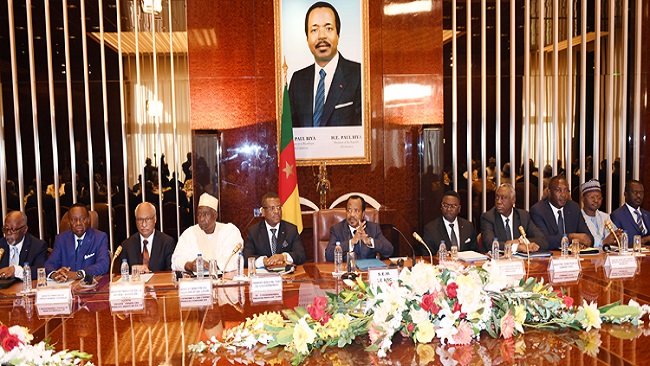
Biya, how long must the nation wait for the government it was promised?
Cameroon and Senegal are two French dominated African countries. The similarities end there. Every presidential election season in Cameroon arrives wrapped in familiar Paul Biya promises.
President Biya always promise economic reform, renewal, efficiency and a ministerial cabinet ready to confront the nation’s mounting political, economic and social problems. Yet months after the last presidential poll that made the 92-year-old president for life, many Cameroonians are still asking a very simple question: Where is the new government President Paul Biya promised?
Biya’s delay in forming a new cabinet is no longer just a matter of political timing. It has become a test of credibility.
Immediately after Biya took office in 1982, he made the nation to operate under a political culture where reshuffles are treated as strategic instruments rather than urgent democratic obligations. Cabinet ministers remain in office forever and ever regardless of performance, while Cameroonians are regularly told that change is coming at the appropriate time.
Indefinite waiting for a new cabinet is sending the wrong message to citizens of a country facing youth unemployment, rising living costs, insecurity in several regions and growing public frustration.
A cabinet reshuffle should not merely be ceremonial to make Biya and his Beti-Bulu tribal acolytes happy! It should always reflect national priorities and signal accountability. If cabinet ministers have failed to deliver positive results, the citizens deserve to see consequences. If new policies are needed, the head of state must appoint people capable of implementing them. And if Biya truly intends to renew confidence in state establishments, this delay only deepens skepticism.
This deliberate silence surrounding the formation of a new administration in Yaoundé has created a vacuum filled by speculation. Is the Unity Palace divided internally? Is the reshuffle being used to balance competing political factions including that of exiled Issa Tchiroma? Or are the Biya CPDM barons simply unwilling to disrupt the status quo? In the absence of communication, Cameroonians are left to guess.
What makes the current situation more disturbing is the sharp contrast between the urgency of public problems and the slow pace of political action. The nation’s young population is becoming increasingly impatient. Many in both French and English speaking regions no longer judge governments by speeches but by visible outcomes such as jobs, infrastructure, security and opportunity. Delays in leadership decisions suggest either hesitation or detachment from the realities ordinary Cameroonians face daily.
Defenders of the corrupt Biya regime have opined that ministerial cabinet formation is a sovereign process requiring meticulous consultation. It could be true! Stability matters. Experience matters. But governance also requires responsiveness. An administration cannot claim urgency on national issues while moving at a pace that appears disconnected from public expectations.
The longer the wait continues, the more the promised “new CPDM government” risks looking like an old Beti-Bulu political habit: announcing change without delivering it promptly.
Cameroon does not simply need another reshuffle of the same faces. It needs a government with energy, competence and a clear mandate to address the nation’s pressing challenges. Whether that happens next week or months from now, it will say much about how Biya understands the current political moment.
The real question is no longer whether a new cabinet will be formed. It is whether Cameroonians will still believe in the promise by the time the cabinet arrives.
By Soter Tarh Agbaw-Ebai


