
Biya regime waives duties on solar, water and biomass equipment
Cameroon is expanding tax incentives to support investment in renewable energy and water access, as part of efforts to lower entry costs for industrial projects.
In a circular signed on February 12, 2026, Finance Minister Louis Paul Motazé outlined a detailed list of equipment eligible for tax exemptions. The list, defined using Harmonized System (HS) codes, covers materials used in producing drinking water and renewable energy, including solar, wind, and biomass.
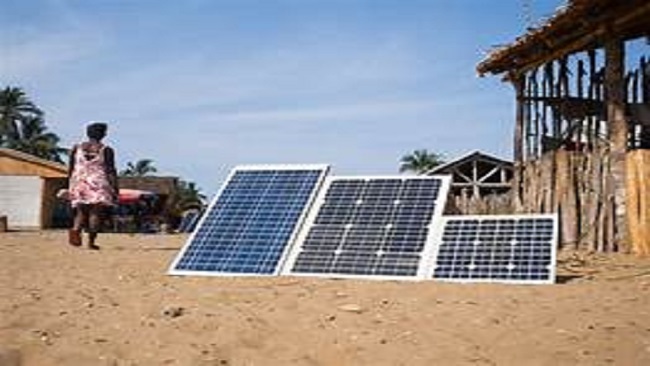
The measure applies to a wide range of technical inputs and equipment, including photovoltaic panels, deep-cycle batteries, solar cables, pumps, inverters, hydro turbines, monitoring and control instruments, biogas purification systems, and drilling units.
These imports will benefit from a full exemption from customs duties and taxes for a period of 12 months. The government aims to reduce the upfront cost of investing in alternative energy and water production systems.
The circular requires importers to pass on the tax savings to final consumers, to ensure the incentive translates into lower prices rather than higher margins for intermediaries.
It also includes enforcement provisions. Companies that fail to comply with the rules face penalties under the Cemac Customs Code, which governs Cameroon and five other Central African countries. Any re-export of goods imported under this scheme will require payment of the previously waived duties.
By removing these import costs, Cameroon is seeking to accelerate investment in energy and water infrastructure, with a particular focus on underserved areas. The measure is expected to support the rollout of alternative solutions, especially in rural regions where access to electricity and safe water remains limited.
Source: Business in Cameroon


