
Cameroon’s humanitarian needs and response plan 2026
Cameroon remains one of the most overlooked humanitarian crises in the region. Violence and insecurity, displacement, climate related shocks and public health risks continue to intersect and compound existing fragilities. In 2026, an estimated 2.9 million people need humanitarian assistance and protection services. Behind this figure are families who have lost homes and livelihoods, children whose schooling is repeatedly disrupted, and communities struggling to cope with successive shocks while space for humanitarian action remains constrained.
Needs in Cameroon are shaped by three concurrent crises. In the Far North, the Lake Chad basin conflict continues to drive displacement and protection concerns, with insecurity limiting access to basic services. In the North-West and South-West, violence continues to affect daily life and undermine access to markets, schools and healthcare. In the eastern regions, Cameroon continues to host refugees from the Central African Republic, many of whom have lived in displacement for years and face persistent protection risks alongside limited opportunities to rebuild self-reliance.
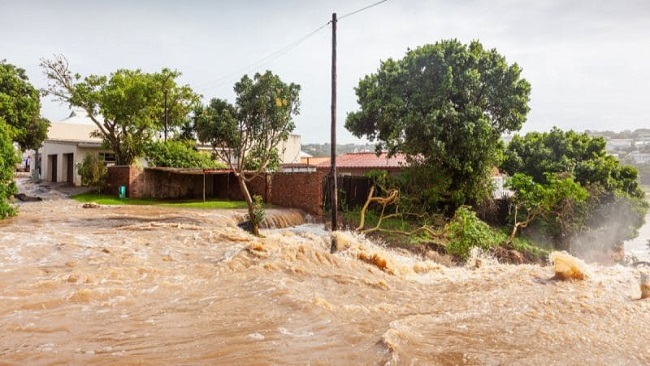
These crises unfold in a context where structural development gaps and long-lasting vulnerabilities amplify the impact of each new shock. Flooding and drought repeatedly damage assets, disrupt livelihoods and strain already limited services. In the North-West and South-West, insecurity and access constraints add further complexity. In 2025, constraints documented in affected areas included movement restrictions, administrative impediments that delayed operations and incidents that increased risks for civilians and humanitarian workers. Underfunding further reduced partners’ ability to pre-position supplies, maintain staffing, and invest in the logistics and risk mitigation required to reach people safely and consistently. During my 2025 visit to Buea, discussions with local authorities and humanitarian partners underscored not only the daily constraints they face but also their determination and resilience in supporting people in need, and the importance of sustained support to ensure safe and consistent access.
With resources under pressure, we must focus on the hardest hit areas and the people most at risk. In 2026, the response will prioritise six regions where humanitarian needs are most severe, namely the Far North, North- West, South-West, North, Adamawa and East regions. Humanitarian partners will target 1.9 million people, prioritising the 1.1 million facing the most severe needs, and will require US$ 319 million to deliver the response.
Our response will remain firmly centred on people. Communities will continue to shape priorities through their feedback, and accountability will be strengthened through accessible complaints and feedback mechanisms, alongside collective efforts to prevent and respond to sexual exploitation and abuse. We will prioritise inclusive programming that recognises the distinct needs of women; girls, men and boys, and we will work with partners to expand the role of national organisations in coordination and delivery. At the same time, we will pursue stronger humanitarian development and peace collaboration. This is essential to reduce recurring risks, support preparedness and anticipatory action, and connect lifesaving assistance with pathways that help communities recover and build resilience over time.
This plan will also be delivered in a changing coordination environment. Under the Humanitarian Reset, Cameroon is moving towards a more localised humanitarian response, with stronger leadership by national and local actors and closer engagement with affected communities. Our priority is to ensure that this transition strengthens effectiveness and accountability, while preserving principled coordination and the technical support needed to respond to conflict and climate related shocks.
The cost of underfunding is not abstract. In 2025, only an estimated 1 million people received assistance out of 2.1 million targeted, leaving 1.1 million with unmet urgent needs. We cannot afford a repetition of this outcome. Timely, flexible and predictable funding is critical to sustain life saving action, preserve hard won gains and prevent further deterioration.
I thank the Government of Cameroon, regional and local authorities, host communities, national organisations, and all humanitarian partners for their commitment and solidarity. I call on donors and all stakeholders, including development partners and non-traditional contributors, to support this plan and the collective effort it represents. Together, we can close critical gaps and deliver a response that is principled, effective and owned by the people it serves.
Culled from UN OCHA


