
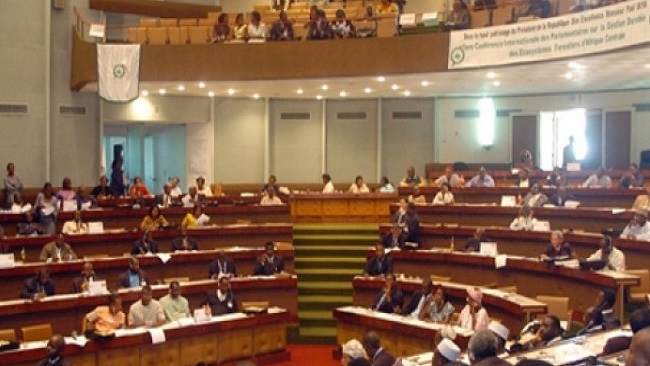
Yaoundé: Parliament set to debate bill delaying legislative elections
A key political step is expected in Cameroon’s Parliament during the March session: the review of a bill to postpone legislative elections.
The proposal must be introduced by the president, adopted by the National Assembly, approved by the Senate, and then confirmed through a presidential decree.
The immediate objective is to align legislative elections with municipal elections currently expected around May 10, 2026. If that scenario is adopted, lawmakers’ mandates would be extended by at least two months.
In July 2024, President Paul Biya had already extended lawmakers’ terms until March 30, 2026, even though they were originally scheduled to end in February 2025. At the same time, the mandates of municipal councilors—also initially due to expire in February—were extended until May 31, 2026.
Because legislative and municipal elections are traditionally held on the same day, the institutional logic now points toward another extension of lawmakers’ mandates, likely until May.
A Legal Window Until August 2026
Another scenario remains possible. The president still has room to extend lawmakers’ mandates until August 2026. Municipal councilors’ mandates have already been extended by 15 months, while the law allows extensions of up to 18 months.
Under that scenario, the elections could be held around August 10, 2026. The bill expected in Parliament could therefore formalize an extension of lawmakers’ mandates until that date. At the same time, President Biya could sign an additional decree extending the mandate by three more months.
The president has already hinted that further extensions are likely. In a speech on February 10 during Youth Day celebrations, he referred to a “slight adjustment” of the electoral calendar due to what he described as “certain pressing constraints.”
At the National Assembly, attention is now focused on the presidential proposal. In her opening address for the March session, the chamber’s senior member, Marlyse Soppo Toute, said that “the postponement of this double deadline is almost certain.”
Different Procedures for Municipal and Legislative Elections
Soppo Toute, who will preside over the chamber until a new leadership is elected in the coming days, also outlined the legal framework governing the process.
She explained that postponing municipal elections can be done through a presidential decree under Article 170(2) of the electoral code. Legislative elections, however, require a law passed by the National Assembly, as stipulated by Article 15(4) of the Constitution.
Because of those legal requirements and the limited time frame, she said the March parliamentary session will be decisive in setting the procedure for postponing the upcoming elections.
As a result, the session carries unusual political weight. Beyond routine legislative work and the election of the National Assembly’s leadership, lawmakers must now define the legal framework for the country’s revised electoral calendar.
Culled from Sbbc by Queen Besumbu Agbaw


