
Cameroon faces convergence of extreme weather risks through late March
Cameroon is bracing for a period of high-risk weather. In its March 21-30, 2026 forecast, the National Observatory on Climate Change (ONACC) warned that a combination of extreme weather events could affect several regions. The agency regularly issues 10-day bulletins outlining expected climate conditions across the country.
The most serious concern is in the north. The Far North, North and Adamawa regions are expected to face intense heat, while temperatures could also rise significantly in the East. These conditions increase health risks for children, the elderly and outdoor workers, while putting additional strain on water resources and agriculture. ONACC has repeatedly warned that Cameroon’s agro-ecological zones face varying levels of climate vulnerability.
In northern areas, the heat is likely to be accompanied by dusty conditions caused by local winds and the harmattan. Further south, authorities have warned of strong winds in the Littoral, South West, North West and parts of Adamawa. Combined with storm systems, these conditions could bring down trees, damage fragile housing and disrupt road and maritime transport.
Atmospheric instability is also expected to trigger thunderstorms and lightning across several regions, including the North West, West, South, South West, Littoral and Center. In parts of the West and North West, there is also a risk of hail between March 26 and 31, which could damage crops, rooftops and light infrastructure.
Multiple hazards at once
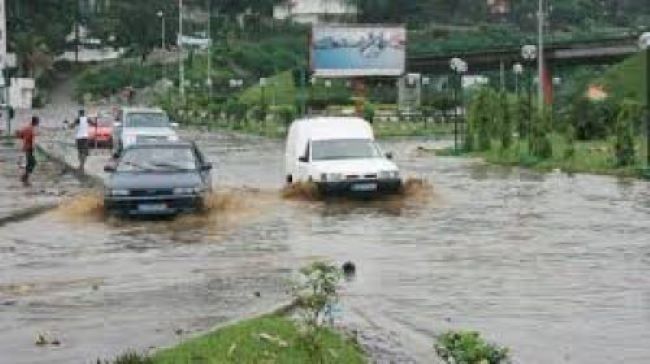
Flooding is another major concern. Heavy rainfall is expected between March 25 and 30 in cities including Yaoundé, Douala, Kribi and Mbouda. In urban areas already facing drainage problems, this could lead to flash floods, traffic disruptions and material damage.
What sets this alert apart is the likelihood that several hazards will occur at the same time. Within a few days, the country could face extreme heat in the north, storms in the highlands, heavy rainfall in forest zones and coastal disruptions. This convergence of risks increases the need for vigilance among both residents and local authorities.
More broadly, these forecasts reflect a growing trend of more frequent and intense extreme weather events. In its 2022 Country Climate and Development Report, the World Bank noted that climate change would affect Cameroon’s climate zones unevenly and increase the severity of such events.
Beyond this event, the situation highlights a deeper structural challenge: the country’s ability to anticipate, prevent and manage increasingly varied and extreme weather conditions, with direct implications for public safety, economic activity and long-term resilience.
Source: Sbbc


