
Organisations in Cameroon must prioritise preparedness ahead of the 2025 elections
As Cameroon heads towards its presidential elections on 12 October, organisations operating in the country need to prepare and anticipate any risk factors, given that past elections have been marked by unrest. The 2018 election saw a variety of political and security issues, including protests, allegations of voter fraud and separatist violence in Anglophone regions. While incumbent President Paul Biya is seeking to extend his four decades in power, a record-high number of candidate applications and defections from the ruling Democratic Rally of the Cameroonian People (RDPC) party point to a shifting political landscape.
Key security risks and triggers
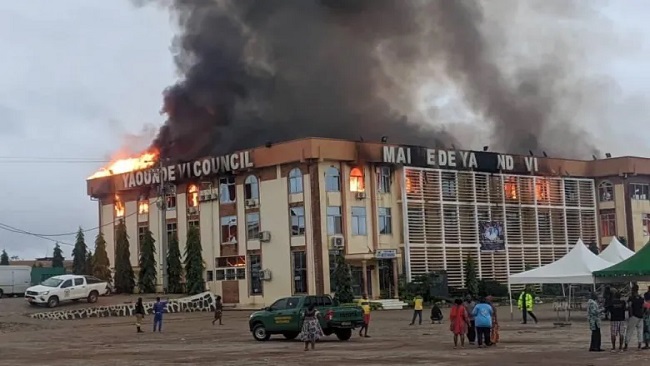
There are several political, security and socio-economic factors that could affect organisations ahead of, during and after the elections. From a political perspective, division among the opposition poses a big threat. Opposition leader Maurice Kamto, who came in second in the 2018 election, has been banned from running in this year’s elections. Though this may reduce immediate mobilisation, there are still risks of tensions due to discontent.
From a security perspective, while armed separatist groups in the Anglophone region are not perceived as significant of a threat compared to the 2018 election, there may be threats to target polling stations or to intimidate voters in the Northwest and Southwest regions. Furthermore, the potential for unrest in urban areas like Yaoundé or Douala could heighten if opposition leaders call upon supporters to demonstrate, or make claims of electoral fraud.
Furthermore, socio-economic pressures also have an underlying impact. The stagnant economy and lack of development in the country, high unemployment levels and the public’s disappointment in the government, especially among younger voters, are further driving frustration. These grievances could intensify the effects of political developments, making the environment more volatile in the weeks leading up to the election.
Security recommendations for organisations
Given the risks associated with the current political landscape in Cameroon, organisations operating in the country are encouraged to take proactive measures to safeguard their workforce and ensure the continuity of operations.
- Postpone non-essential travel: Organisations should defer all non-essential travel between 7 and 17 October, particularly to Yaoundé and Douala. Where travel is unavoidable, each trip should be assessed on a case-by-case basis to determine the level of necessity and the security implications.
- Strengthen communication systems: Organisations must ensure that staff have access to reliable and tested channels of communication, including contingency tools such as satellite phones, which will be critical in the event of restrictions or network shutdowns.
- Mobility plans: Organisations need to anticipate the possibility of roadblocks, checkpoints, or curfews, and should rely on trusted local drivers who are familiar with the security environment. It is advisable to avoid flashpoint areas such as party headquarters, government buildings, and campaign venues.
- Accommodation: Staff should be placed in secure hotels or housing situated away from potential hotspots and should be thoroughly briefed on the protocols to follow if unrest occurs in the vicinity of their lodging.
- Contingency plans: Organisations should take this opportunity to update contingency plans. Evacuation, escalation, and business continuity procedures must be reviewed and tested to ensure readiness.
- Prepare for misinformation: Organisations need to prepare for the spread of disinformation, which has the potential to heighten unrest. Rumours, especially those concerning President Biya’s health, could circulate widely and quickly escalate tensions. To mitigate this risk, decision-making should be based only on verified, timely intelligence from credible sources.
While the most likely outcome of Cameroon’s 2025 election is continuity under President Biya, the period around 12 October remains sensitive. Even isolated unrest or security restrictions can impact workforce mobility, safety, and business continuity. Organisations should not wait for events to unfold but should instead take proactive measures to mitigate risks.
With the right preparedness, organisations can continue operations while safeguarding their people during this critical time.


