
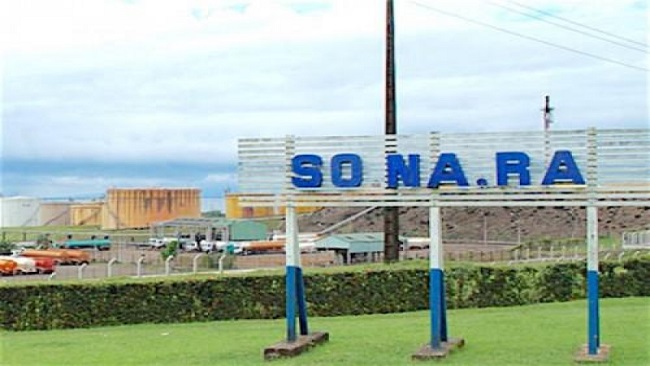
London court orders SONARA to halt proceedings over Trafigura letter of credit
On Tuesday 4 August, the Commercial Court in London ordered Cameroon’s state-owned refiner, Société Nationale de Raffinage (SONARA), to discontinue proceedings aimed at suspending payment under a letter of credit (LC) issued in connection with a gasoline sale contract.
SONARA rejected a cargo of gasoline sold to it by Trafigura, citing ongoing sampling issues from 29 November 2025. But rather than pay under the LC and pursue the quality dispute separately – as is standard practice under a ‘pay now, argue later’ framework – SONARA sought to halt payment altogether.
The issuing bank, BGFI Bank Cameroun (BGFI), declined to withhold payment, since there was no evidence of a formal legal challenge. So, SONARA opened proceedings in the Court of First Instance in Limbe, Cameroon.
This was erroneous, since both the sale contract under which the original sale was made, and the letter of credit which SONARA had procured have an exclusive jurisdiction clause (EJC) in favour of English courts: meaning if either Trafigura or SONARA has a legal disagreement, only English courts can settle it.
The only exceptions to the EJC permit either party to bring “arrest, attachment, and/ or other conservatory, interlocutory or interim actions in any court”: temporary legal measures which could be used to protect their assets.
SONARA argued its Limbe application fell within that exception – it was interim in nature, it said, and sought only suspensory relief. But the London Court disagreed, stating that the above exception was designed to protect a party’s right to begin litigation in the correct forum, not the other way around.
Furthermore, the Court found that the Limbe Proceedings were, at least in part, designed to subvert the “pay now, argue later” structure of the original LC.
Another factor in the ruling was that, despite the Limbe Proceedings, Trafigura ultimately received payment under the LC from the confirming bank, the African Export Import Bank (Afreximbank). Nonetheless, SONARA maintained the Limbe Proceedings – which were essentially rendered redundant given payment had been made – for three more months.
SONARA is majority-owned (96%) by the Republic of Cameroon, and supplied refined petroleum products to other countries in the Economic and Monetary Community of Central Africa (CEMAC).
Source: tradefinanceglobal


