
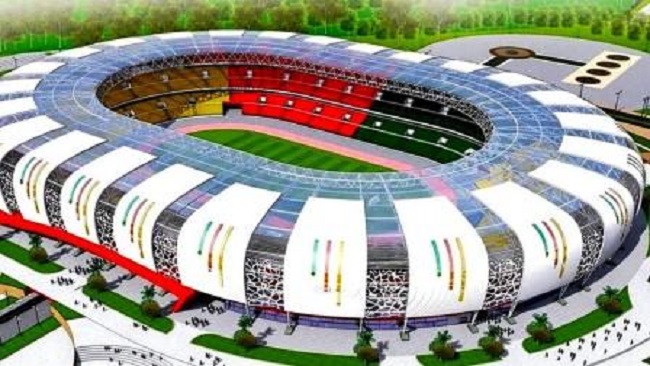
Cameroon faces CFA53.5 billion Olembé Stadium bill after losing Piccini Arbitration
Cameroon faces a bill of about CFA53.46 billion before interest after an international arbitration tribunal ruled in favor of Italian contractor Gruppo Officine Piccini in the long-running dispute over the Olembé sports complex.
The tribunal, constituted under the International Centre for Settlement of Investment Disputes (ICSID), ordered Cameroon to pay €78.5 million, or CFA51.49 billion, in compensation. The award, sent to the parties on Sept. 4, 2026, also requires Cameroon to pay interest accrued since November 2019 and part of Piccini’s legal and arbitration costs.
The €78.5 million award consists of five components. The tribunal granted €51.3 million, or CFA33.65 billion, for Piccini’s net investment; €5.4 million for lost profits on work that was not completed; €8.1 million for loss of use of machinery and equipment; €7.7 million for the decline in their value; and €6 million for expenses incurred after the expropriation.
The compensation carries annually compounded interest at the six-month Euribor rate plus four percentage points, calculated from Nov. 29, 2019, through the date of the award. The same rate will apply after the award, once 30 days have passed since notification, until Cameroon pays the amount in full.
Cameroon must also reimburse 70% of Piccini’s legal fees and expenses, equivalent to €2.86 million, or about CFA1.88 billion. It must pay another $157,427.55 in arbitration costs, equivalent to about CFA88.9 million at the Sept. 4 exchange rate.
Excluding interest, the various awards bring Cameroon’s nominal liability to about CFA53.46 billion, based on the exchange rate used for the dollar-denominated costs. The amount ultimately due will be higher because of interest accumulated since November 2019.
Piccini Sought €188.7 Million for Material Losses
The award remains well below the Italian contractor’s final claim. In its last submissions, Piccini sought €188.7 million in material damages, equivalent to about CFA123.78 billion, plus €1 million for moral damages, interest and procedural costs.
The tribunal therefore awarded Piccini €78.5 million, or 41.6% of its material claim, and rejected its request for moral damages.
The CFA250 billion figure cited in several publications as the amount Cameroon was ordered to pay does not correspond to the tribunal’s award. The ruling sets the principal compensation at €78.5 million, excluding interest and costs.
Cameroon Found Liable for Unlawful Expropriation
On the merits, the tribunal found three violations of the 1999 investment protection agreement between Cameroon and Italy. The arbitrators found that Cameroon unlawfully expropriated Piccini’s investment when it terminated the contract and requisitioned the company’s machinery and equipment. They also found breaches of the obligations to provide fair and equitable treatment and full protection and security for the investment.
The tribunal noted, in particular, that Piccini ultimately received no compensation after the contract was terminated and its equipment requisitioned.
It also found that the contractor could legitimately expect reimbursement for certain additional costs associated with prefabrication work in Italy. Those expenses had been assessed at nearly CFA28 billion during the project.
Regarding events after Magil Construction arrived at the site, the tribunal found that the state failed to protect Piccini’s equipment and employees from vandalism, theft and harassment. It went further, concluding that Cameroonian authorities had “actively contributed” to some of those acts.
The tribunal rejected Piccini’s claims based on discrimination and most-favored-nation treatment.
An Initial CFA194.36 Billion Contract
The dispute stems from a contract signed on Dec. 30, 2015, for the design and construction of the Olembé sports complex. The contract was worth CFA194.361 billion, including taxes, with an initial completion period of 30 months.
The project included a 60,000-seat stadium, training fields and several ancillary facilities.
The Sports Ministry terminated Piccini’s contract on Nov. 29, 2019. It accused the company of halting work, abandoning the construction site, failing to meet contractual commitments, using unauthorized subcontractors and accumulating unpaid wages. The project was subsequently handed to Magil Construction.
The tribunal, however, rejected the claim that Piccini had abandoned the site. It noted that the contractor’s workforce had increased from fewer than 200 to more than 350 workers two days before the termination and that the latest site reports did not record an abandonment.
For the arbitrators, the circumstances surrounding Piccini’s removal went beyond an ordinary commercial dispute. The contract termination, requisition of equipment and intervention by state authorities constituted exercises of public authority and therefore engaged Cameroon’s international obligations toward the Italian investor.
The ICSID award is binding on the parties and cannot be appealed on the merits. The ICSID Convention does allow a party to seek annulment on limited grounds, but such a proceeding is separate and does not, by itself, cancel the award.
Source: Sbbc


