
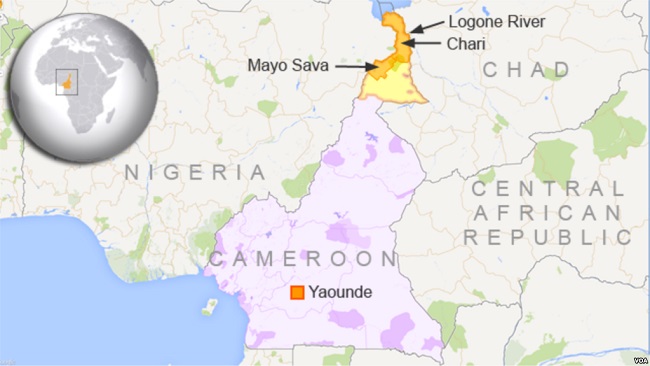
Far North Region: Cholera outbreak surpasses 800 cases, 25 deaths
Cameroon’s cholera outbreak continued to spread across the Far North region, with more than 800 cases reported in eight health districts and 25 deaths as of July 28, 2026, according to Minister of Public Health Malachie Manaouda. The outbreak has produced a case fatality rate of approximately 3%.
Moreover, the outbreak accelerated rapidly over the previous week. UNICEF reported 585 cases and 19 deaths six days earlier, indicating that authorities recorded at least 215 additional infections and six more deaths between July 22 and July 28. The number of reported cases increased by more than 36% during the period.
However, only 144 of the 585 reported cases had been laboratory-confirmed through culture testing as of July 22. Consequently, health authorities continue to distinguish between notified cases and biologically confirmed infections.
The case fatality rate remains nearly three times higher than the 1% threshold that the World Health Organization (WHO) considers achievable when patients receive prompt access to appropriate rehydration treatment.
Vaccination Campaign Still Lacks Details
In response to the outbreak, the government is preparing a vaccination campaign in the most affected health districts. The initiative will complement epidemiological surveillance, patient treatment, sanitation measures and community awareness programs.
“We are also planning to conduct a reactive vaccination campaign in order to strengthen the response to this epidemic and limit its spread,” Malachie Manaouda said in an interview published on July 31 by Cameroon Tribune.
However, the minister did not disclose the campaign’s launch date, priority districts or target population. The government also did not provide details on the number of vaccine doses requested, the campaign’s cost, its funding sources or the vaccination schedule.
The WHO states that a single-dose regimen remains the standard approach for outbreak-response campaigns because it provides protection for at least six months. The organization adds that two doses can provide protection for about three years. However, the WHO’s general recommendation does not indicate which strategy Cameroon will ultimately adopt.
Furthermore, the WHO stresses that vaccination represents only one component of an effective cholera response. The organization says authorities must combine immunization with access to safe drinking water, sanitation, hygiene measures, disease surveillance and rapid patient care.
Geographic Scope Remains Unclear
Health authorities and humanitarian organizations continue to report different figures for the number of affected districts.
Minister Malachie Manaouda reported eight affected health districts as of July 28. However, International Medical Corps (IMC) reported 754 cases and 25 deaths across nine health districts as of July 26.
The discrepancy may reflect different reporting criteria between confirmed districts and areas where authorities have identified suspected cases. However, the difference requires clarification from public health authorities.
According to UNICEF, authorities had confirmed outbreaks in seven health districts as of July 22: Mada, Makary, Kousseri, Fotokol, Kolofata, Mora and Maroua I. The agency still classified Maroua III as a suspected district.
The first alerts emerged on June 23, and authorities officially confirmed the outbreak on June 29 after identifying the Vibrio cholerae O1 Ogawa strain.
The situation remains particularly concerning at the Minawao refugee camp, where authorities reported at least 24 cases by late July. The camp hosts more than 81,000 people and operates at roughly 325% of its original capacity, increasing transmission risks because of overcrowding and inadequate sanitation facilities.
Meanwhile, International Medical Corps is preparing an emergency response targeting approximately 14,600 refugees and members of surrounding communities.
Insecurity Slows Detection Efforts
Insecurity in parts of the Far North region continues to complicate the public health response.
According to Malachie Manaouda, insecurity delays case detection and forces authorities to rely more heavily on community-based systems for early alerts, rapid rehydration and patient referrals to treatment centers.
Moreover, health authorities have established an incident management system within the Regional Delegation of Public Health to coordinate disease surveillance, clinical care, sanitation activities and risk communication.
The government also plans to strengthen information-sharing with Nigeria, Chad and the Central African Republic across the Lake Chad basin, where frequent cross-border population movements increase the risk of disease transmission.
In addition, authorities are monitoring the North and Adamawa regions to detect any further spread of the outbreak. The effectiveness of the response will depend on the timely deployment of the vaccination campaign, the availability of funding and the ability of health teams to improve access to safe water and healthcare in the region’s most remote communities.
Source: Sbbc


