
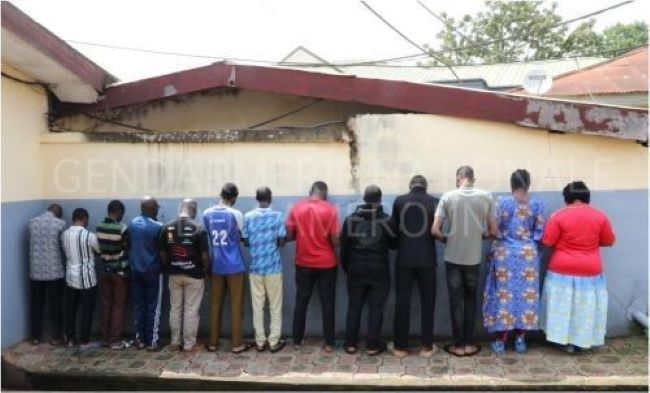
Yaoundé opens 530 trafficking probes in 2025 but reports no convictions
Cameroonian authorities conducted 530 investigations into suspected human trafficking cases in 2025, compared with 146 in 2024, according to the US State Department’s 2026 report, published on October 8. This 263% increase contrasts with the low number of reported prosecutions: three suspects faced charges for sex trafficking, and courts handed down no convictions during the review period.
Of the 530 investigations, 226 involve sex trafficking. The report does not specify the nature of the other 304. This lack of a breakdown makes it impossible to determine how many cases involve labor exploitation.
The US report identifies several obstacles to prosecuting these offenses. Transnational investigations remain complex, notably because investigators struggle to collect digital evidence and face logistical constraints in rural areas. These obstacles sometimes lead prosecutors to pursue other criminal charges that carry lighter penalties.
The absence of specialized courts and of police units dedicated solely to anti-trafficking work also complicates case handling. Persistent insecurity in the Northwest and Southwest regions adds to these difficulties.
The United States nonetheless acknowledges the training efforts the Cameroonian government has undertaken with international organizations, NGOs and Interpol. These programs have reached officials in all ten regions, including staff in charge of investigations, prosecutions and victim identification.
Suspected complicity within the administration
The State Department also notes that authorities reported no prosecutions of public officials suspected of complicity in trafficking cases. It considers that corruption and complicity within the administration continue to undermine enforcement.
The report also states that authorities took no reported action against Cameroonian diplomats facing allegations of complicity. The authorities had nevertheless trained diplomatic staff on human trafficking and labor law.
The documented practices include child exploitation in domestic work, agricultural plantations, restaurants, street vending, sand mining and forced begging. The report also describes the forced recruitment of minors for criminal activities, including drug production, transport and distribution.
The UN Human Rights Committee addressed this fight when it reviewed Cameroon in Geneva on October 22 and 23. Expert Tijana Šurlan questioned the Cameroonian delegation on the measures it has taken to detect and prosecute those responsible for trafficking for domestic work, servitude and other forms of forced labor.
The delegation answered that Cameroonian law punishes these offenses, with aggravating circumstances when children are involved. It also pointed to hotline 1503, run by the Ministry of Social Affairs, which lets victims and witnesses report trafficking confidentially and request assistance.
Source: Sbbc


